

Unlocking Natural Sound with Round Robin Sampling in SoundBridge
Last Edited: Aug 15, 2025
In this post, we'll break down what Round Robin is, why it matters, and how you can use it to add subtle yet powerful variations to your synths and percussion layers. Are your electronic tracks sounding too robotic? You’re not alone, but round robin sampling in SoundBridge can help you. Whether you're producing trance, hip-hop, or cinematic scores, repeated MIDI sequences can often fall flat. Fortunately, SoundBridge's round robin sampling feature is here to inject the organic feel your beats have been missing.
What Is Round Robin Sampling?
Round Robin sampling is a technique in music production where several variations of the same sound are played in a rotating sequence.
Instead of triggering the exact same snare, clap, or synth stab every time, the sampler cycles through different recorded versions of that sound—automatically. The result? A more lifelike, expressive, and less mechanical audio experience.
For instance, a classic snare hit might have five slightly different versions. Each time your MIDI note triggers that sample, a different one plays. This small tweak can transform your track from repetitive to refreshingly dynamic.
Why It Matters: Escaping the “Machine Gun Effect”
Ever hear the same sample repeated over and over again, making the rhythm feel...well, fake? That's what producers call the “machine gun effect.”
It’s especially common in drum programming, where tight repetitions of the same sample remove any illusion of a real performance. Real drummers—and real instrumentalists—never hit the same way twice. Round Robin restores that human touch by offering subtle inconsistencies, just like a live performance would.
A/B Testing: Static vs Round Robin Playback
Let’s illustrate the difference.
Plain MIDI Sequence (No FX, No Variation)
We start with a single synth sample playing the same MIDI sequence repeatedly.
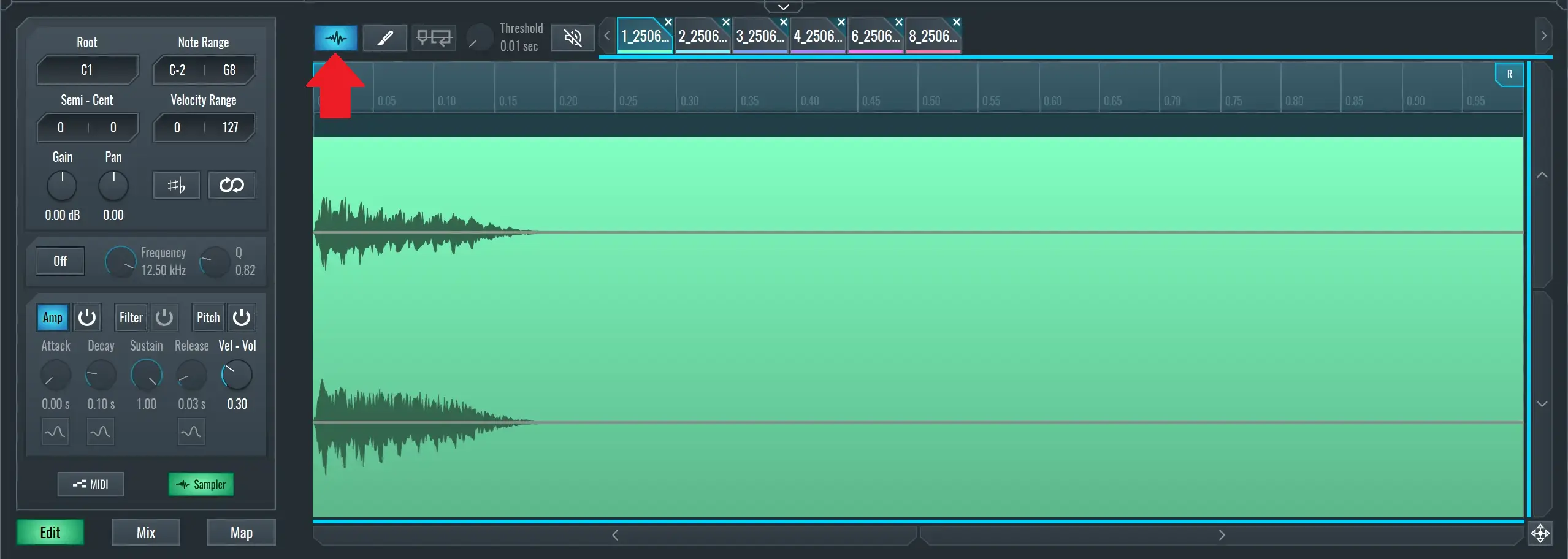
~ Single Sample Dry
- Result: Cold, robotic, and uninspiring.
- Issue: Every note sounds identical, killing any sense of evolution in the melody.
Even adding effects like delay and reverb only masks the core issue: it’s still the same sample being triggered every time.
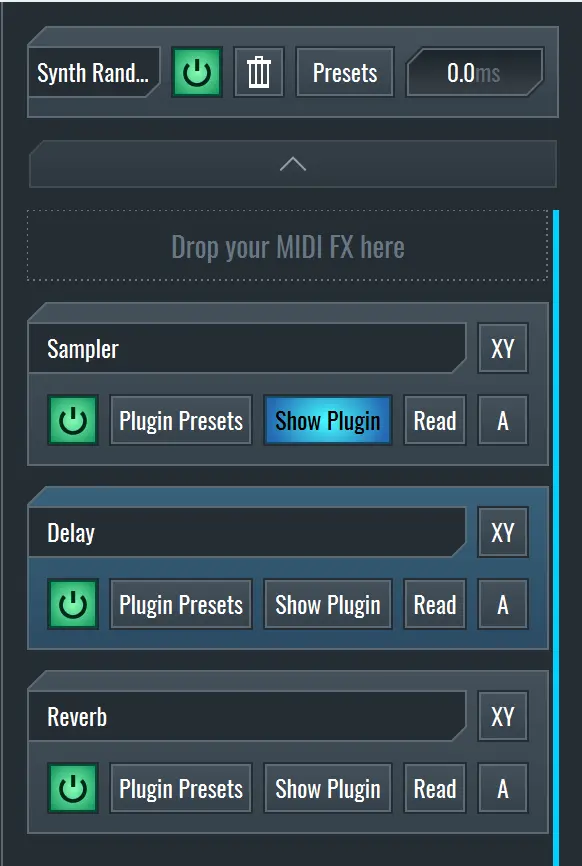
~ Single Sample with Reverb and Delay
Activating Round Robin in SoundBridge Sampler
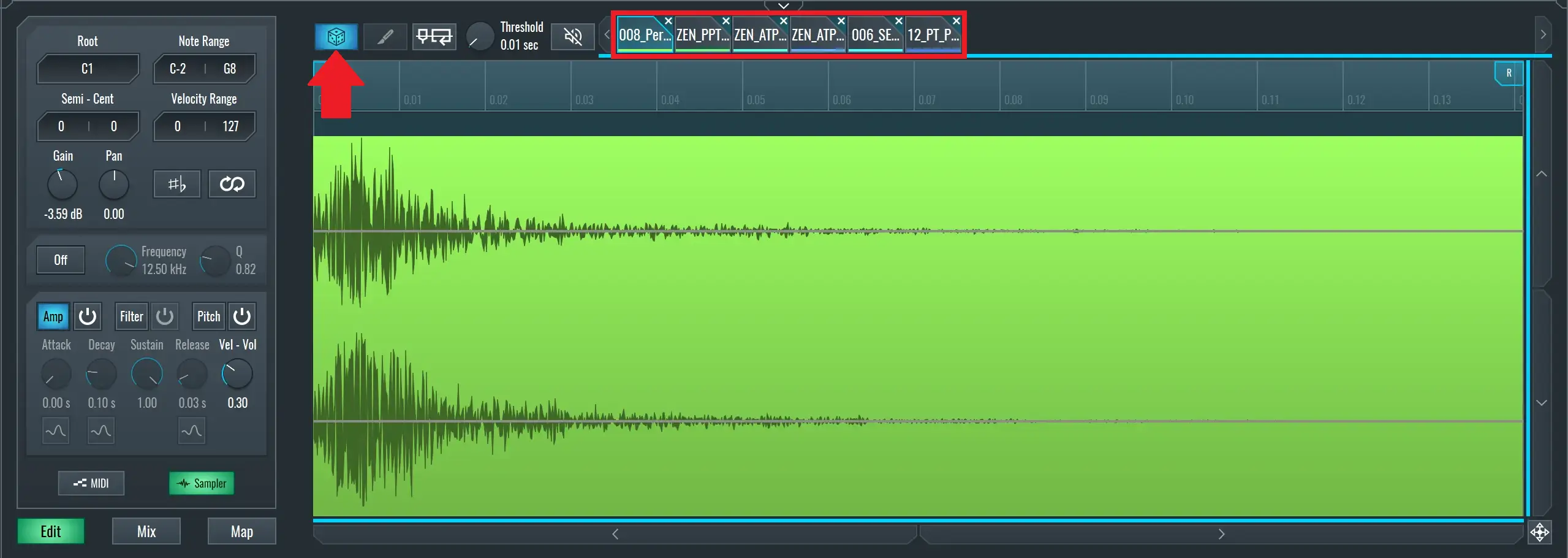
To bring life back into our track, we load multiple variations of the same synth sample. Once the Round Robin mode is engaged, SoundBridge offers various sequence modes, including:
- 🔁 Forward
- 🔄 Backward
- 🔂 Ping Pong (forth and back)
- 🎲 Random (recommended for ultimate unpredictability)
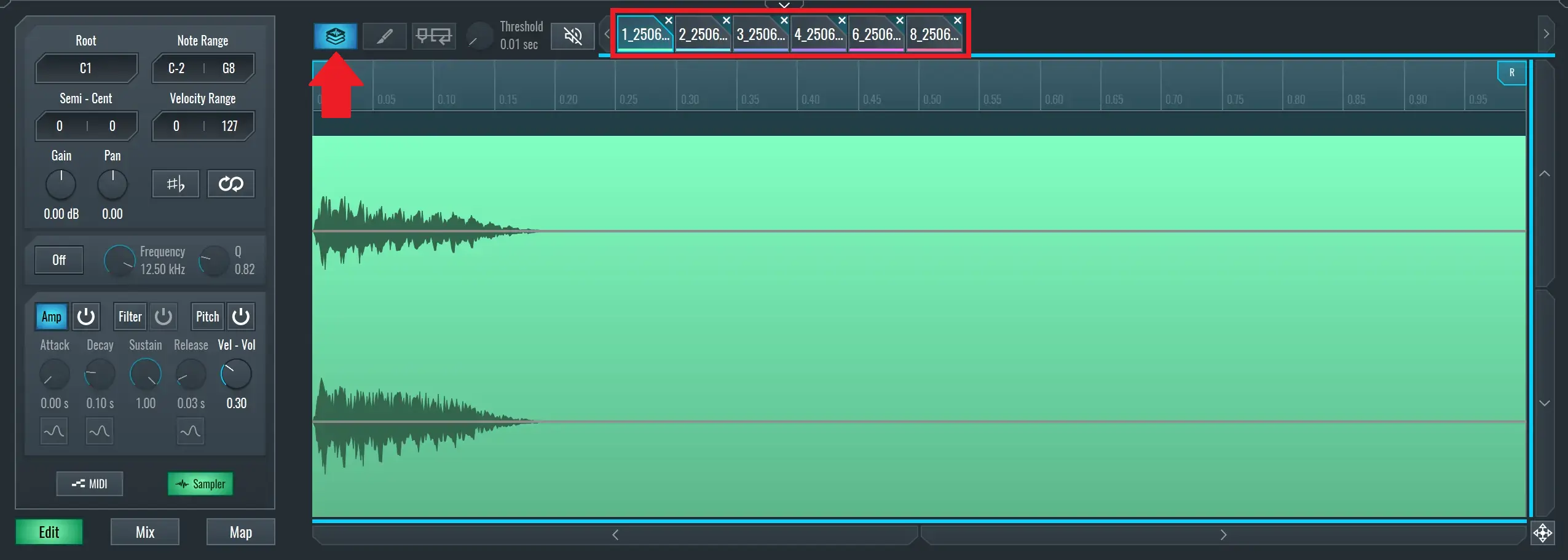
For this demo, we selected Random Mode. The result? Each note in the MIDI sequence sounds just slightly different from the last—making it feel humanized and truly alive.
~ Sample Round Robin with Reverb and Delay
Expanding to Percussion: Adding Ear Candy
Why stop at synths?
We applied the same Round Robin method to our percussion section:
- Dragged percussive samples into SoundBridge Sampler.
- Set Round Robin to random mode.
- Played a repeating MIDI pattern.
~ Percussion Round Robin with Reverb
Even with no effects, the beat now feels evolving and unpredictable. Add some spacious delay and ambiance-building reverb, and now you’ve got serious trance ear candy.
~ Full Song Example
Conclusion: Let Round Robin Do the Heavy Lifting
The Round Robin sampler in SoundBridge lets producers easily add character, depth, and variation to any track without overcomplicating the workflow.
By rotating through slight sample variations and enabling organic playback, you can:
- Eliminate mechanical-sounding loops
- Build immersive, evolving layers
- Elevate listener engagement through dynamic textures
Whether you're layering synths, shaping percussions, or crafting cinematic tension, Round Robin is your secret weapon to sounding more human.
Pro Tips for Producers regarding Round Robin
- Use Random mode for unpredictable dynamics.
- Combine Round Robin with velocity variations for ultra-realism.
- Pair it with big reverb/delay for trance, ambient, and cinematic genres.
- Don’t overdo it—sometimes fewer variations sound more intentional.
If you liked this article on audio processing, here are some more on the same subject:
- Composite Instruments - Creating Multitimbral Sounds
- Make an Awesome Psytrance Sequence in Massive
- Cycle Random and Round Robin - Sample Triggering
MASTER MUSIC PRODUCTION
Expert-led Kurse, die dich von den Basics bis zu fertigen Tracks bringen.

HOUSEVon bouncy Bass und solid Kicks: Dieser Kurs zeigt dir die modernsten House-Production-Techniken, um zu gewinnen und herauszustechen.

TRAPKling nicht nach 08/15-Trap, sondern produziere etwas World mit Far-East-Vibes. Erstelle ethnische Soundscapes, damit dein Trap der Konkurrenz voraus ist.

AMBIENTProduziere entspannte, sofisticierte psy-influenced Ambient. Psychedelisch und relaxed zum Hören – erschaffe meditative Soundscapes für Zen.