

The Benefits of Mid-Side Equalization
Last Edited: Nov 29, 2023
What is Mid-Side Processing?
Mid/Side Processing comes from a mic technique patented by Alan Blumlein in 1934. The original idea was to recreate how the human ears hear a stereo image. In other words, Mid/Side originally came to be used effectively as a recording technique to enhance 'space' before stereo playback existed. In contemporary music, there are many reasons why you should have a full-sounding mix. For example, in most cases, a comprehensive sounding mix will be more pleasant to the listener. Using various panning and stereo-imaging techniques can help create a wide-sounding mix. However, one of the best choices to achieve the aforementioned is to use Mid-Side processing. If we were to explain the Mid-Side closer, at its core, there are two fundamental aspects.
Mid and Side Channel
The Mid channel is the center of a stereo image. When the Mid channel is boosted, the listener perceives a more centered (mono) sound in the audio. The Side channel is the edge of a stereo image. When the Side channel is boosted, the listener perceives a more spacious (wider) sound in the audio. Audio effects, such as equalizers, reverbs, etc., which can alter the tone or dynamic of sound, are traditionally done in mono or stereo. This means that any applied process would affect the track's entire mono/stereo signal.
Let's Start
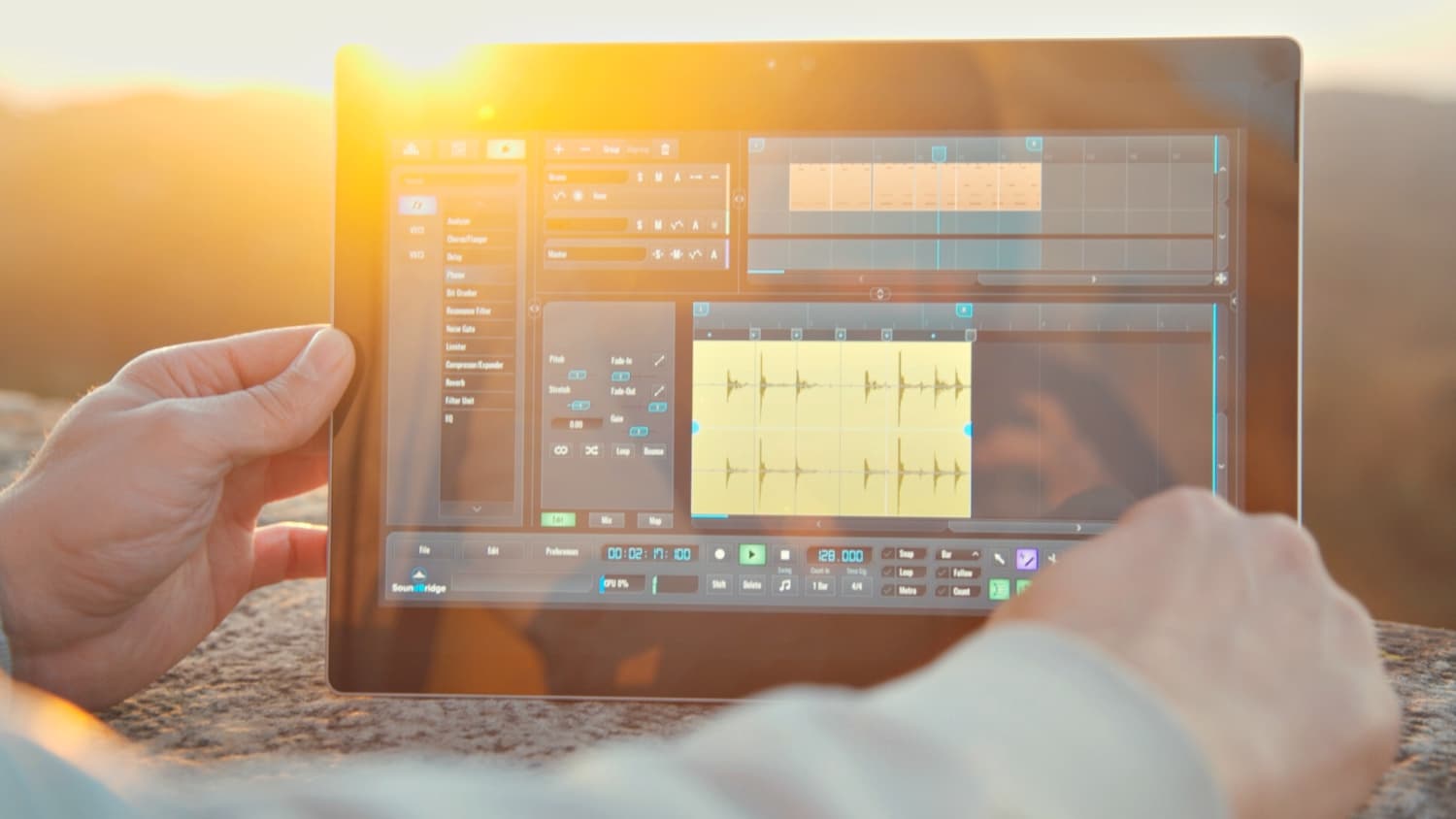
In the first place, I have made a short loop with just five channels in SoundBridge DAW. Furthermore, I will use a FabFilter Q2 equalizer to demonstrate achieving a wider stereo image on specific instruments.

~Loop - unprocessed
We have to engage a few parameters to get to the Mid-Side mode in the FabFilter Q2 equalizer. Moreover, In the following picture, you will see how to change from Left/Right to Mid/Side mode and switch between Stereo and Side signal. After doing that, the small "S "icon will appear on the frequency curve of the selected bend. Let's hear how the channel containing the Chord sequence sounds with the effect bypassed and on. I advise you to use stereo headphones to listen to the change.

~Chord sequence - unprocessed
~Chord sequence - processed
Lastly, I applied the same process (in reasonable amounts) for the rest of the elements. Finally, let's hear the difference between the unprocessed and the processed version.
~Loop - unprocessed
~Loop - processed
DOMINA PRODUCCIÓN
Cursos con expertos para llevarte de fundamentos a tracks terminados.

HOUSECon bajos rebotones y kicks sólidos, este curso enseña técnicas modernas de producción House para destacar y triunfar.

TRAPDeja de sonar a Trap genérico y produce algo World con toques de Oriente. Crea paisajes étnicos para poner tu Trap por delante.

AMBIENTProduce ambient relajante y sofisticado con influencia psy. Psicodélico y relajante de escuchar; crea paisajes meditativos para llevar a tu público a Zen.