

Discovering the Exciting Possibilities of Glitch Effects
Last Edited: Dec 1, 2023
What is a Glitch?
In a computer program, a glitch is a bug that isn't often encountered and results in a problem. On the other hand, in computer audio, a glitch is a quick temporary noise in a file that sounds like a snap. Read the following tutorial and discover the exciting possibilities of glitch effects in music production.
Audio Glitch Effects
Musicians and music producers, in general, are always trying to find new and exciting ways to change and bend the sounds creatively and radically. For instance, the 80's music producers used DAT tapes to create splintered vocal effects. Sometime later, time-stretching capabilities of hardware samplers were introduced. They were used by early Drum'n'Bass producers to create the impact of melodic drum beats and crazy stretched vocal effects, which had been unheard of until this point in time. In the past decade, various VST effects emerged solely for this purpose. They usually contain multiple effects that deliver impressive results when used together in a box in the following tutorial. I will pay close attention to one of these VST effects called Effectrix by Sugar Bytes.
Discovering the Glitch World
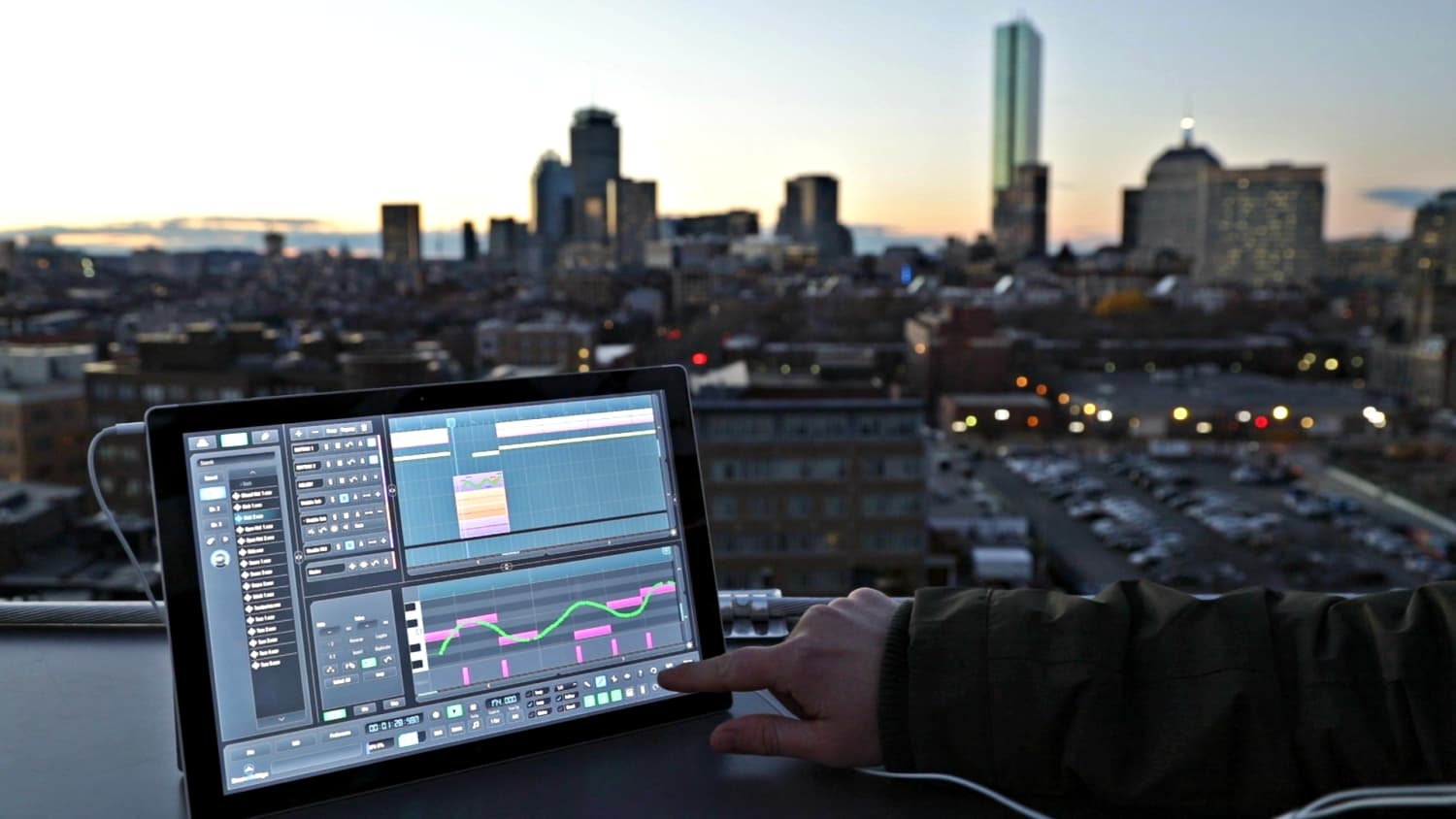
At first, I will place a somewhat simple drum beat on a newly made audio channel in SoundBridge and drag and drop Effectrix on its channel rack. Here is how the drum beat sounds without any effects from Effectrix:

~Drum Beat Unprocessed
Then, let's start adding the effects offered in Effectrix individually. The first one will be X-Loop. It is an advanced loop control tool that changes loop size and pitch over time. It also includes an envelope for shortening the loop.
~ Drum Beat with X-Loop
Don't Be Afraid to Experiment!
Also, right below the previous effect, we can find the Scratch Loop. It plays the loop forward and backward like scratching a vinyl record. For this reason, I will use it just a bit in the second part of the drum beat. You can use different speed settings for the forward and backward spin and individual slopes for the spinning change between fwd and bwd. I have to point out that this is a very complex effect where all parameters interact, opening new worlds of scratching your audio signals.
~Drum beat with X-Loop + Scratch loop
After that, let's add the Stretch. A classical time stretcher can slow the audio signal without changing its pitch. Now let's hear everything combined:
~Drum beat with X-Loop + Scratch loop + Stretch
Following that, adding a bit of Tonal Delay might be interesting. It can make your drums play melodies, re-pitch harmonic signals, and create stunning mutations from anything that makes a sound.
~Drum beat with X-Loop + Scratch loop + Stretch + Tonal delay
Furthermore, I will add a filter at the end of the sequence. It will just end the sequence in the fast-down sweep using the cutoff parameter.
~Drum beat with X-Loop + Scratch loop + Stretch + Tonal delay + Filter
Finally, I will add a bit of reverb that will be placed where the X-Loop and Tonal delay start. So, let us hear the results with the combined effects and the full mix with the additional kick drum, snare drum, and bass.
~Drum beat with X-Loop + Scratch loop + Stretch + Tonal delay + Filter + Reverb
~Full Mix

MASTER MUSIC PRODUCTION
Expert-led courses designed to take you from fundamentals to finished tracks.

HOUSEFrom bouncy bass and solid kicks, this course teaches you the most modern House music production techniques needed to succeed and stand out.

TRAPQuit sounding like generic Trap and produce something World with hints of the Far East. Create ethnic soundscapes to put your Trap ahead of the curve.

AMBIENTProduce relaxing, sophisticated psy-influenced ambient. Psychedelic and relaxing to listen to, create meditative soundscapes to put your listeners in Zen.