


Josh Gannet on SoundBridge, Remote Recording & Collaboration
Last Edited: Nov 13, 2026
Josh Gannet is a versatile mixing and recording engineer, producer, consultant, and artist relations expert whose career spans genres while remaining deeply rooted in hip-hop. His credits include work with Redman, Wu-Tang Clan, Method Man, Inspectah Deck, Ghostface Killah, and Maino, as well as collaborations involving Steve Miller, Keith Richards, Jose Feliciano, Baby Ranks, and Les Paul’s Trio. His work has contributed to more than 500 million streams worldwide.
Gannet first connected with SoundBridge CEO Wake Anderson at NAMM 2026. What began as a conversation around music technology, recording, and the future of production developed into an ongoing relationship, eventually leading him to join SoundBridge as a consultant.
Since then, he has brought his perspective as a working recording and mixing engineer into the SoundBridge development process, offering feedback on workflows, implementation, and how new ideas translate into practical studio use.
In this conversation, Gannet discusses what drew him to the SoundBridge team, the company’s vision for more connected music-making, his perspective on the buffering method behind its remote recording technology, and how decades of real-world studio experience inform his contribution to the development process.
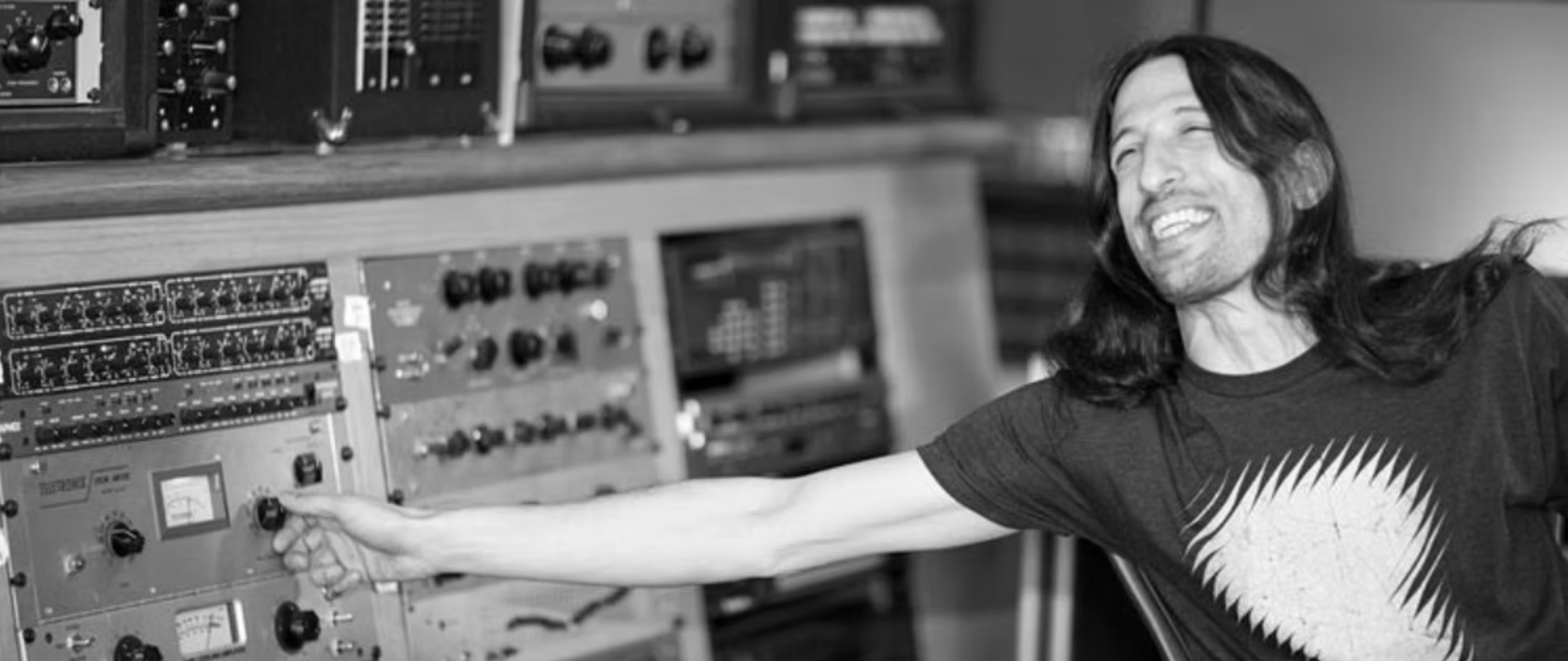
1. You first connected with Wake Anderson and the SoundBridge team at NAMM 2026, and that relationship eventually developed into you joining the team as a consultant. What made you want to become involved with SoundBridge?
When I met Wake at NAMM, I was immediately curious about what SoundBridge was doing, particularly around connectivity within the DAW. After NAMM, we reconnected and he gave me a demo of the product. There were several concepts that I thought were really innovative, and I also saw areas where my experience could add value and help refine how those ideas were implemented.
I already believed in the technology and the idea of creating greater connectivity between musicians, so when Wake asked if I would be interested in consulting, it felt like a natural opportunity to contribute and help shape the product into something I would want to use myself.
2. Since meeting Wake and the SoundBridge team at NAMM, how has that relationship evolved, and what has made the collaboration a good fit for you professionally?
Once I joined as a consultant, I started participating in the weekly team meetings and learning how everyone works together throughout the development process.
What became clear very quickly was that feedback is genuinely encouraged and considered, but never accepted blindly. Ideas are discussed, tested against what is technically possible, and refined collaboratively.
I work closely with members of the team to talk through ideas, limitations, and possible solutions. That process is a good fit for me because troubleshooting has always been a big part of recording. I enjoy finding creative solutions to problems, and I get to do that alongside a very talented team while bringing my own perspective as a working engineer.
3. What is it about SoundBridge’s vision for the future of music production that resonates with you personally as an engineer and producer?
Music has always been a communal activity, but we now work in an increasingly digital world that can sometimes create isolation.
What resonates with me is the idea of using that same digital environment to restore connectivity between people. I work with artists all over the world, so having tools that make physical distance less of a barrier is very appealing. The possibility of being thousands of miles apart while still feeling like you’re in the same room creating music together is something I find very exciting.
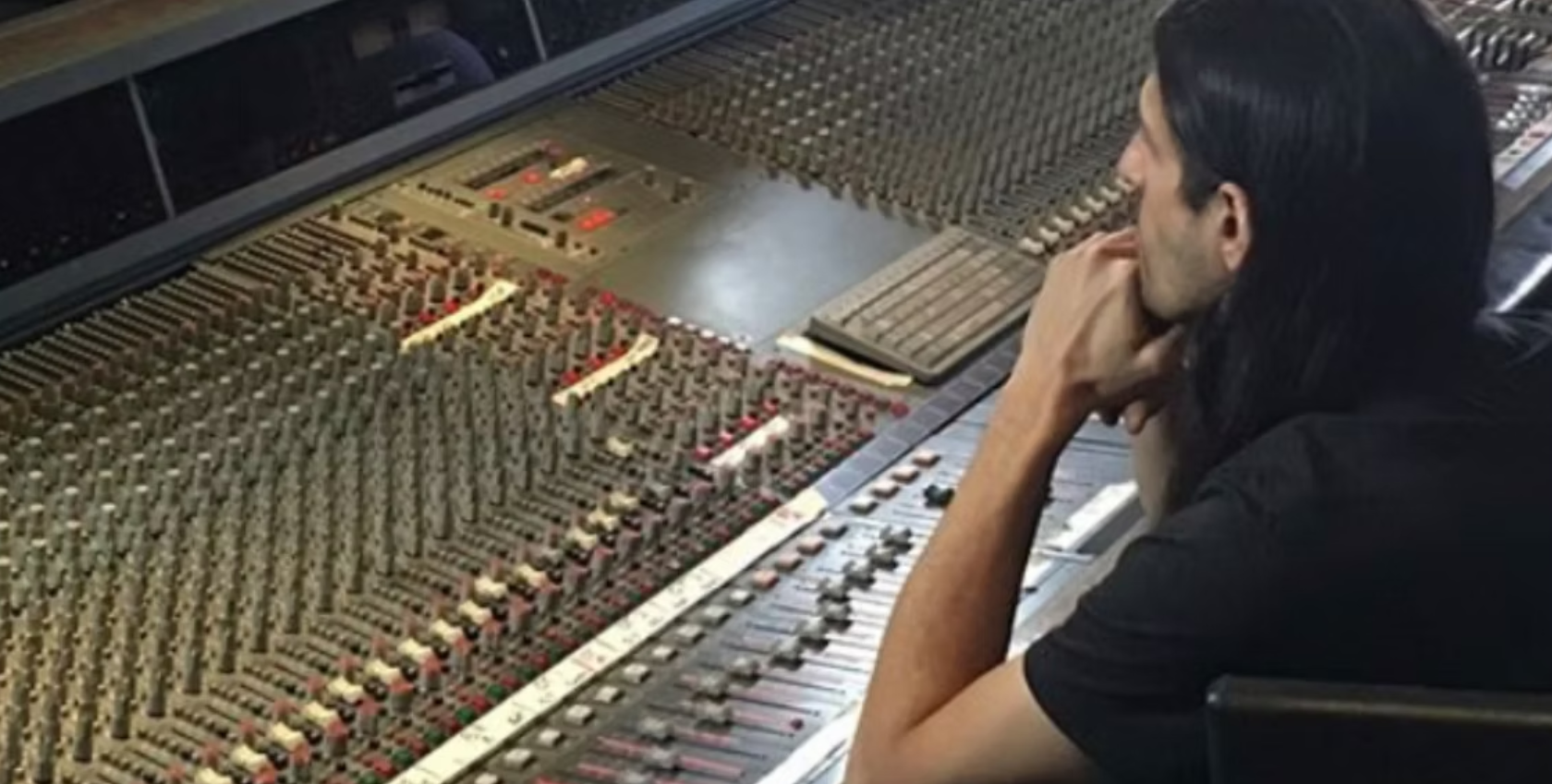
4. One of the technologies you’ve been particularly interested in is SoundBridge’s approach to remote recording: low-latency tracking through pre-record buffering, followed by a lossless transfer of the recorded audio once recording stops. From an engineer’s perspective, why do you think this is an effective approach to remote recording?
For me, it’s less about the engineer’s perspective and more about the user experience. People want remote recording to feel like they’re working together in real time, and the buffering method helps create that feeling while allowing the full-quality recorded audio to be transferred afterward.
It’s less about the technical side and more about making the technology disappear into the background. What matters is that it feels like you’re simply working on a record together, sitting in the same room and doing the same thing.
5. You’ve spent years working in real recording environments with artists, producers, and engineers. How are you using that experience to help the SoundBridge team make sure its products and workflows are moving in the right direction?
I believe experiential knowledge is one of the most valuable things a producer or engineer can bring to the table. We’re constantly working on different projects, so we see how tools perform across many different real-world situations.
That experience helps me identify where something may be missing, where an existing workflow could improve, or where a strong idea could be implemented in a way that better reflects how people actually work in the studio.
I think my role gives me a useful middle-ground perspective. I can understand the development side while also looking at everything from the perspective of someone who works in studios every day. Ultimately, real-world use is what determines whether an idea is truly practical.
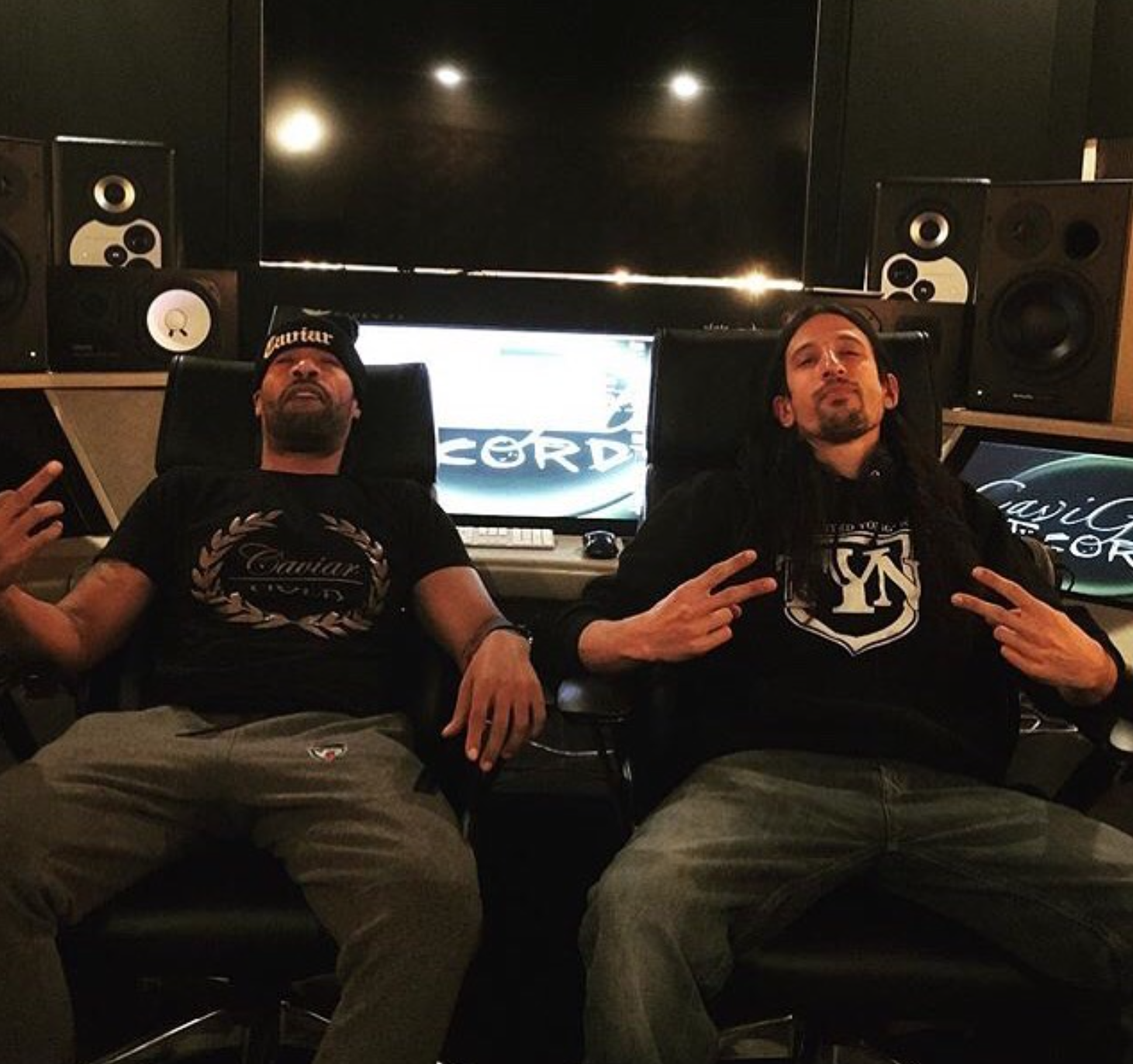
6. As your relationship with SoundBridge continues to develop, what are you most excited about contributing to the team, and what potential do you see in what the company is building?
I’m most excited about the next stage of the collaborative environment. The first step is making the technology work reliably; the next is optimizing the experience so people genuinely feel like they’re in the same session, working on the same project together.
Because of the buffering method, I already think it offers a strong approach to remote recording. What excites me is the potential to evolve that into a much broader collaborative experience. That could give artists, producers, and engineers more freedom to work with people anywhere in the world without being limited to sending tracks back and forth or combining several different tools.
To me, the most meaningful part is bringing the communal aspect back into music. Collaboration has always been fundamental to making art, and technology has the potential to reconnect people rather than separate them.
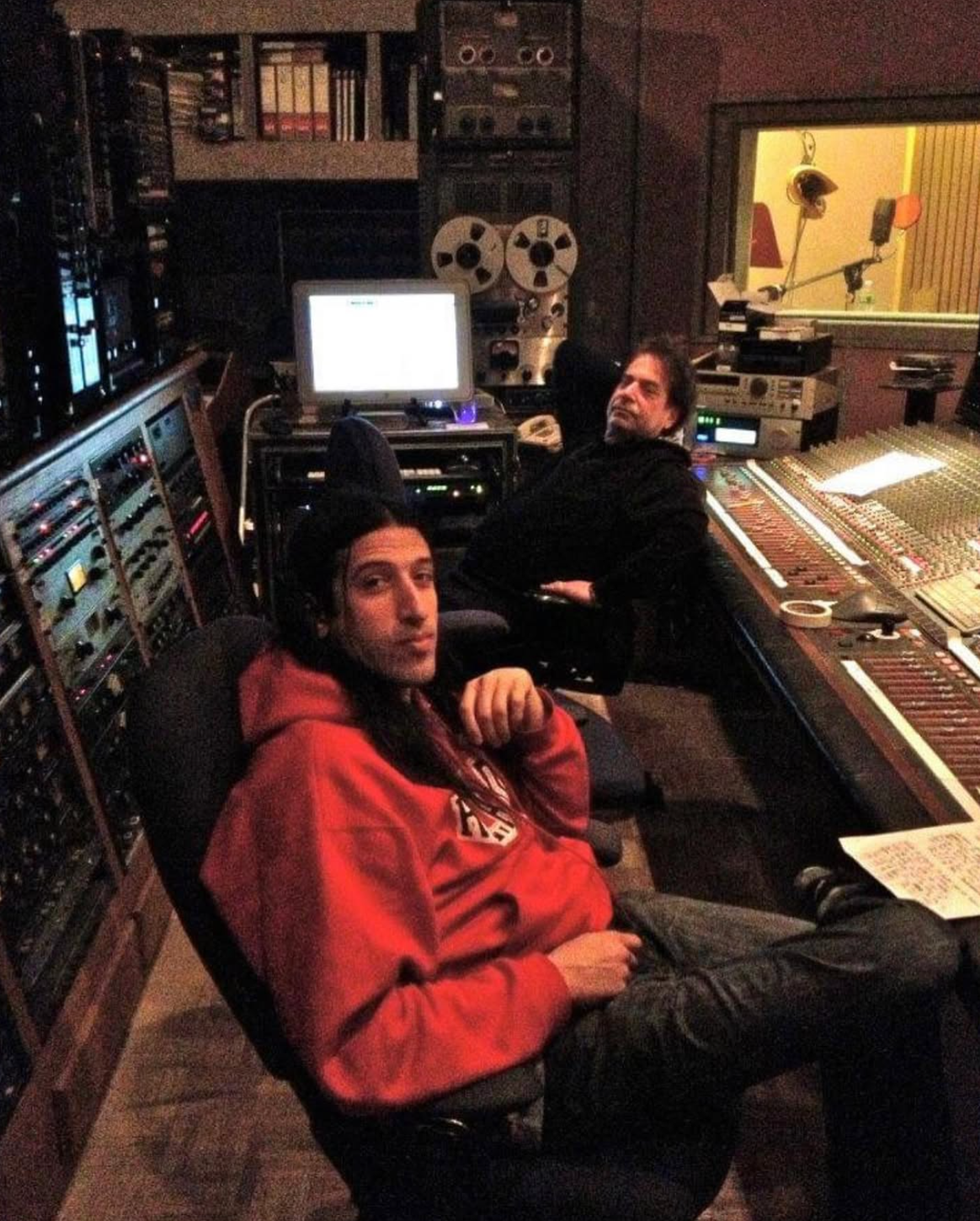
For Gannet, the value of new music technology comes down to how naturally it supports the creative process and the people using it.
His role with SoundBridge brings that real-world perspective directly into the development process, combining decades of studio experience with an understanding of how artists, producers, and engineers actually work.
As SoundBridge continues developing its virtual collaboration tools, Gannet’s contribution helps connect technical development with practical studio needs, with the broader goal of making distance less of a barrier to creating music together.
Learn more about Josh Gannet and his work by visiting his website: https://www.joshgannet.com/
Experience SoundBridge Virtual Collaboration
SoundBridge makes it possible for musicians, producers, and engineers to record together remotely, regardless of their physical location. Using proprietary pre-record buffering, latency compensation, and lossless audio transfer, SoundBridge enables musicians to monitor their performances without added monitoring latency while delivering synchronized, full-quality recordings directly into the host's DAW session. With integrated video communication, remote session controls, and support for self-hosted TURN/STUN servers, SoundBridge brings the collaborative studio experience online.
Ready to experience remote recording for yourself? Start your 14-day free trial of the SoundBridge Everything Bundle subscription and discover a new way to create music together.
See SoundBridge Virtual Collaboration in Action
Watch our step-by-step video tutorial below to learn how to set up your first remote recording session. Explore the complete YouTube playlist to discover everything SoundBridge Virtual Collaboration has to offer.
If you liked this article, here are some more on the similar subjects:
MASTER MUSIC PRODUCTION
Expert-led courses designed to take you from fundamentals to finished tracks.
HOUSEFrom bouncy bass and solid kicks, this course teaches you the most modern House music production techniques needed to succeed and stand out.
TRAPQuit sounding like generic Trap and produce something World with hints of the Far East. Create ethnic soundscapes to put your Trap ahead of the curve.
AMBIENTProduce relaxing, sophisticated psy-influenced ambient. Psychedelic and relaxing to listen to, create meditative soundscapes to put your listeners in Zen.