

Simple Tricks For Making Better Melodies
Last Edited: Nov 30, 2023
Good melodies are the building blocks of great-sounding music that sticks in people's heads. You don't hum the groove. You hum the melody. The following tutorial will show you a few quick tips for crafting better melodies.
As usual, we prepared a short sequence in our SoundBridge: DAW. It includes most of the significant elements of a full mix. Let's take a listen to it.

A melody is partly defined by the following elements: contour, range, intervals, structure, and scale. This time, we will only cover a few of them, which are required to compose a melody in the particular music genre we are dealing with.
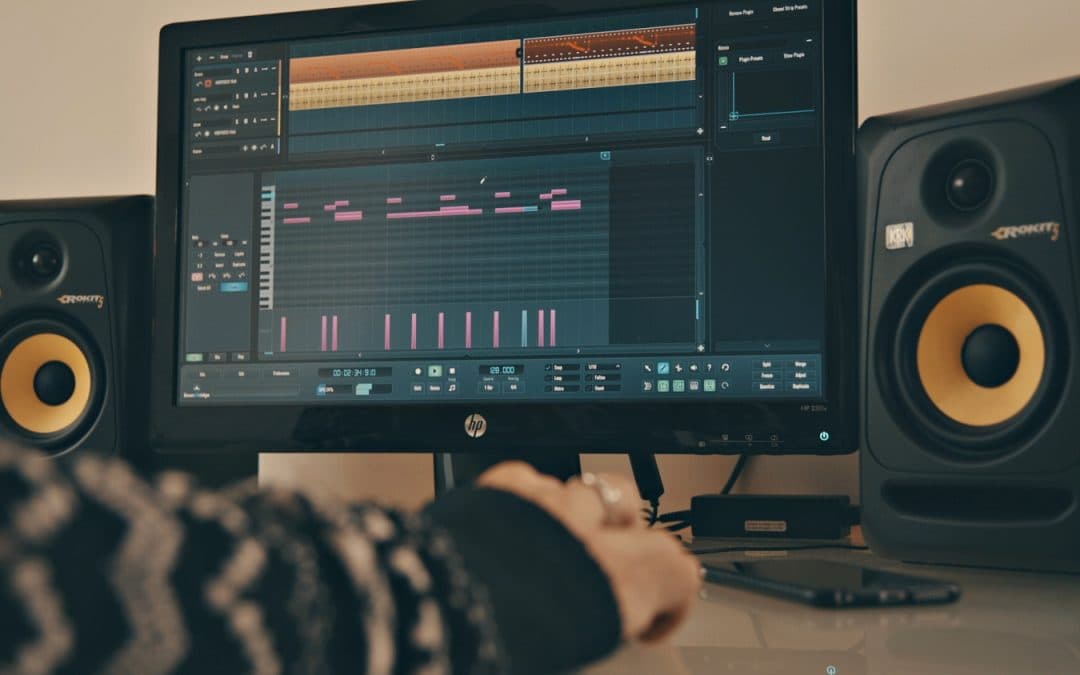
After creating a new MIDI channel and selecting the appropriate sound for our melody, let's navigate to the MIDI editor window to begin composing the melody's foundation.

Foundation of Good Melodies
In the image above, we have created a rhythmic foundation for our melody. It's a simple sequence from which we will continue to develop the range and contour. Let's have a listen to it.

A memorable melody follows a line that ascends or descends. There is no specific formula. You don't need an ascending and descending contour, nor a certain number of drops or leaps. It's just a matter of preference. However, you will discover that different shapes evoke various emotional responses from the listener. Now that we have modified the pitches to create a specific contour., let's listen to our melody
After completing the rhythm and contour of the melody, we can move on to the last step, where we will address the melody's structure and variations. Good melodies often have a system with two contrasting parts (A and B) and possibly a third resolving part (C). Consider this as a "call and response" type of scheme. It would look like the melody below, which includes additional flair using gliding notes and chords here and there.

Once satisfied with every aspect of our melody, we may further process its sound using effects such as delay, reverb, and automation.
Let's hear the final result solo and in context with the rest of the mix.
If you liked this article on melody creation and processing, here are some more on the same subject:
- Convert Your Rhythm to Melody
- Add Accents to Your Melody With Percussion Sounds
- Make an Evolving Synth Lead
- Add Movement to Your Synth Leads
精通音乐 制作
专家授课的课程,带你从基础到成片。

HOUSE从弹跳贝斯与扎实踢鼓出发,本课程教授最现代的 House 制作技术,助你成功并脱颖而出。

TRAP别再像千篇一律的 Trap,做出带东方点缀的“世界感”。打造民族音景,让你的 Trap 领先一整条街。

AMBIENT制作放松、精致的 psy 风格 ambient。迷幻又耐听,打造冥想音景,把听众带进Zen。